
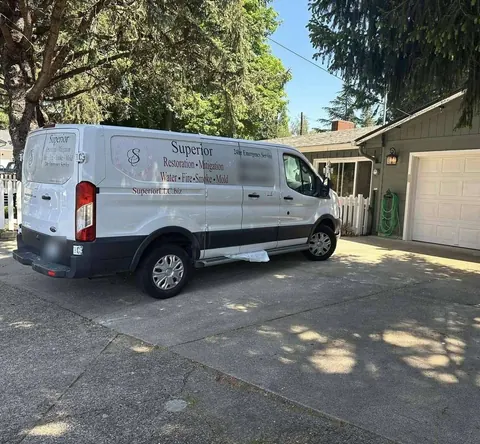
THE FULL FIRST-RESPONSE GUIDE
What to do when the basement floods, in order.
Stay out until the electricity is dealt with.
Do not go down into standing water. If the main electrical panel is on a dry floor and you can reach it without touching water or wet surfaces, switch off the main breaker. If the panel is in the basement or the route to it is wet, call an electrician or your electric utility to disconnect the power. Do not use basement outlets, even for a pump.
Check for gas.
If you smell gas or hear hissing, leave the house immediately. Do not operate switches or anything else that could make a spark on the way out. Call 911 and the gas utility from outside. Do not relight a pilot or restart a gas appliance that has been in water.
Find out whether the water can be stopped.
If a pipe, water heater or washing machine is the source, close the main water valve from a dry location. Water that comes through walls, window wells or the floor during rain is groundwater, and it continues until conditions outside change. If water is rising from a floor drain, stop all water use in the house.
Treat unknown water as contaminated.
Keep children and pets out. Groundwater, surface water and anything from a drain can carry sewage, fuel or chemicals. Do not wade in to rescue belongings. If you must enter after the power is confirmed off, wear rubber boots and gloves, and wash with soap and clean water afterward.
Record the water level and what is affected.
From the stairs or doorway, photograph the room and the waterline on the walls and equipment. Note the time and the depth. Check again later to see whether the level is rising, steady or falling. That tells you and the crew whether the source is still active.
Arrange water removal and a moisture assessment.
Call a plumber for a pipe, sump pump or drain problem, and Superior for the building. After the water is out, walls and floors need to be checked with moisture meters to help determine how far water traveled above and beyond the waterline. With contaminated water, readings guide the drying. They do not establish that materials are clean.
IDENTIFY FROM A SAFE PLACE
Four common sources, and how to tell them apart.
You may not be able to tell from the top of the stairs. Describe what you see and when it started.
| Possible source | What you may notice | What to do |
|---|---|---|
| Broken pipe or failed water heater | Clear water in any weather, sometimes warm near a water heater. You may hear running water. | Close the main water valve from a dry spot. The water starts clean, but it does not stay that way if it stands. |
| Groundwater or surface water | Water arrives during or after heavy rain at the base of walls, through cracks, at window wells or under a door. | It cannot be shut off. Treat it as contaminated. After widespread flooding, wait until water outside has gone down before pumping deep water. |
| Sump pump failure | The sump pit is full or overflowing, often during a storm or a power outage, and water spreads from the pit. | Do not reach into the pit or touch the pump. Call a plumber. Treat the water as groundwater. |
| Floor drain or sewer backup | Dark or foul water rises from a floor drain, shower or basement toilet, sometimes when water is used upstairs. | Stop all water use and call a plumber. This is sewage. Keep everyone out. |
SOME SOURCES CAN BE SHUT OFF · SOME CANNOT
What you can and cannot shut off.
Only a plumbing source responds to a valve. Do not enter the water to reach a valve, a pump or a drain.
Plumbing leak: close the main water valve.
If the house shutoff is upstairs, in the garage or otherwise outside the flooded area, close it. A lever closes across the pipe. A round handle closes clockwise. If the only valve is in the flooded basement, ask your water provider or a plumber to turn the water off at the street.
Drain backup: stop using water.
Do not flush, run taps or drain a washer or dishwasher. Water used upstairs can come out at the basement floor drain. Do not plug the drain or remove a cleanout cap while water is rising.
Groundwater: reduce what you can from outside.
If it is safe to be outside, check that downspouts are attached and discharge away from the house, and that window wells and outside stair drains are not blocked by leaves. Do not work near downed power lines or in moving water.
Sump pump: leave the pit alone.
Do not reach into the water to lift a float or restart a pump. Do not plug a pump into a basement outlet or run an extension cord through water. A plumber can test the pump, its power supply and the discharge line.
Open · Along the pipe
Closed · Across the pipe
A round multi-turn handle is different: gently turn it clockwise until snug. Never force a stuck valve.
AFTER THE SOURCE IS CONTROLLED
What you can do yourself, and where to stop.
Limit your own cleanup to shallow water from a known clean source, such as a supply pipe, in a basement where an electrician has confirmed the area is safe or the power to it is off. Groundwater, sewage, deep water, wet finished walls and anything involving gas or electrical equipment need a professional plan.
Power pumps and vacuums from a safe supply.
Use a pump or a wet/dry vacuum made for water, plugged into an outlet on a dry upper floor, with the cord kept out of the water. Never run a gasoline pump or generator inside the house, garage, basement or crawl space, or close to doors, windows or vents. The exhaust contains carbon monoxide.
Lower deep water slowly.
After widespread flooding, the ground outside is saturated and presses on the basement walls. FEMA guidance is to wait until flooding outside has receded below basement level, then lower the water about one foot a day. A basement emptied faster than the ground drains can suffer cracked or collapsed walls.
Move contents up and out.
Take boxes, rugs and furniture out of the wet area to a place where they can dry or be sorted. Wet cardboard, paper and upholstered items hold water and can grow mold quickly. Photograph items before discarding them.
Clean hard surfaces.
After a clean-water flood, wash concrete floors and washable walls with detergent and water and let them dry. Do not paint, seal or lay new flooring over a slab or wall until moisture checks show it has dried.
Ventilate and dehumidify.
Once the electricity is safe, run a dehumidifier and keep air moving in the open space. Empty the dehumidifier often, or run its hose to a working drain. Air movement in the room does not dry the inside of a finished wall.
WHERE THE DAMAGE CAN SPREAD
The waterline is only where the damage starts.
Basement materials stand in the water and draw it upward. What kind of water it was matters as much as how deep it got.
Moisture meters, not touch, show how far it went
Drywall, framing and insulation draw water above the waterline, and a wall can feel dry while it is wet inside. Superior uses moisture meters to help determine how far water traveled and which materials are affected. With groundwater or sewage, dry readings do not establish that contamination has been removed.
Finished walls and insulation
Finished basement walls trap water between the drywall and the concrete, and the insulation behind them holds it. These walls often need to be opened at the bottom to dry, or removed when the water was contaminated.
Flooring and what is under it
Carpet, padding, laminate and floating floors hold water against the concrete slab. A wood subfloor built over concrete can stay wet long after the surface dries.
Furnace, water heater and electrical
Equipment that was under water needs to be checked by a qualified technician before it is used. CPSC advises replacing gas control valves, circuit breakers and fuses that have been under water.
HOW SUPERIOR HELPS
Remove the water, then deal with what it touched.
Tell Superior how deep the water is, whether it is still rising and where you think it came from. The source decides what can be dried and what has to come out.
Assess safety, source and spread
Confirm the area is safe to enter and identify the type of water with you. Inspect walls, flooring and contents. Use moisture meters to help map how far the water traveled.
Extract water and remove what cannot be kept
Pump or extract standing water. Explain which materials can be cleaned and dried in place and which, such as contaminated padding, insulation or drywall, need removal.
Clean, dry and document
Clean affected surfaces as the water type requires and set drying equipment for the structure. Follow-up moisture readings track progress, and the records support repair planning.
KEEP THE FACTS TOGETHER
Document the flood before and after the water is removed.
Take the record in two passes: once with the water in place, from a safe position, and once after it is out. Ask your insurer what it needs. Policies often treat groundwater, sewer backup and sudden pipe failures differently.
- Date and time found, the depth and whether the level was rising, with photos of the waterline on walls and equipment.
- The weather at the time, and whether the power was out or the sump pump was running.
- The source if known, and the plumber’s or utility’s findings.
- A list and photos of damaged contents, appliances and building materials, including model plates on equipment when they can be read safely.
- The cleanup scope, materials removed, moisture-check and drying records, and all invoices.
REPAIR · CLEAN · CONFIRM DRYING
Before the basement is used or rebuilt.
- Have an electrician check wiring, outlets and any panel that got wet before power is restored to the basement.
- Have a qualified technician check a furnace, water heater or other appliance that stood in water. Gas control valves, circuit breakers and fuses that were under water need replacement, not drying.
- Confirm the source is repaired: the pipe, the sump pump, the drain line or the drainage problem outside.
- Ask for the moisture-meter findings for walls, framing and floors. Confirm that affected materials meet the restoration drying criteria before insulation, drywall or flooring goes back. With contaminated water, also confirm what was removed and how the remaining surfaces were cleaned.
- Check the basement during the next heavy rain and report new dampness, odor or staining.
AFTER THE IMMEDIATE PROBLEM
Reduce the chance of the next basement flood.
- Keep gutters clear, and extend downspouts so they discharge well away from the foundation.
- Keep soil and paving sloped away from the house, and keep window wells and outside drains clear.
- Test the sump pump before the rainy season. Ask a plumber about a battery backup and a high-water alarm.
- Ask a plumber whether a permitted backwater valve suits your sewer connection. Portland runs a backflow prevention program for some combined-sewer areas.
- Store belongings in plastic bins on shelves. Where possible, keep the furnace, water heater and electrical equipment above floor level.
QUESTIONS BEFORE YOU CALL
A few things you may be wondering.
Can I pump the basement out myself?
Shallow water from a known clean source can be handled with a pump or a wet/dry vacuum once the power is safe. For deep water after heavy rain, FEMA guidance is to wait until flooding outside has receded and then lower the level slowly, about one foot a day. Saturated soil can push in the walls of a basement that is emptied too fast.
Is basement flood water contaminated?
Water from a broken supply pipe starts clean. Groundwater and surface water that came through walls, windows or the floor can carry soil, bacteria and chemicals. Water from a floor drain or sewer line is sewage. If you do not know the source, treat it as contaminated.
Can wet carpet be saved?
Sometimes, when the water was clean and drying starts quickly. The padding beneath is often replaced. Carpet and padding wet by groundwater or sewage should be removed, not dried in place.
My sump pump failed. Who do I call?
A plumber repairs or replaces the pump and checks its discharge line. Superior removes the water and dries the basement. Do not reach into a flooded sump pit or handle the pump while it is plugged in.
Sources and further detail
General safety and equipment references checked November 17, 2026. Use the instructions for your exact appliance or valve when they differ.
- CDC: electrical, gas and generator safety in a flooded home ↗
- FEMA: urban flooding guidance for homeowners, including pumping a basement slowly ↗
- CPSC: flood-damaged gas valves, electrical parts and generator safety ↗
- EPA: flood cleanup and indoor air quality ↗
- Portland Environmental Services: sewer backups and backflow prevention ↗
- CDC: what floodwater can contain ↗
- EPA: using moisture meters to locate wet materials and monitor drying ↗