
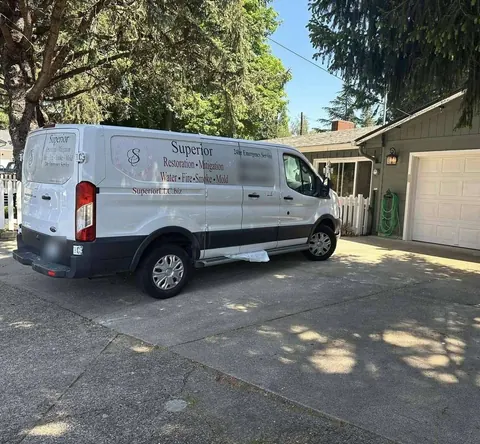
THE FULL FIRST-RESPONSE GUIDE
What to do when sewage backs up, in order.
Keep everyone out of the affected space.
Keep children and pets away from wastewater, splashes and wet belongings. Close an accessible door from the clean side if that helps restrict access. Do not walk through the room to retrieve possessions. Keep a clear boundary between the wet area and clean living space.
Stop all water use that feeds the drains.
Tell everyone in the home not to flush toilets, run faucets, take showers or use the washing machine or dishwasher. In a shared building, notify the property manager promptly so affected occupants can be told. Turning off your water supply can prevent additional use, but it cannot block sewage entering from a sewer line.
Address electrical danger from a dry location.
Stay away from outlets, appliances and power strips reached by wastewater. If standing water is present, isolate the main power only from a dry, safe panel and access route. If that is not possible, call an electrician or utility. Do not touch a wet panel. Do not turn affected electrical systems back on before inspection.
Arrange a plumbing diagnosis and report a possible public-system problem.
Call a plumber and describe which fixtures backed up and whether the flow continues while nobody uses water. Contact the responsible sewer utility if public infrastructure may be involved, such as sewage at a street manhole or nearby properties reporting backups. Use your actual provider; Vancouver, Portland and neighboring areas have different utilities.
Record the damage without spreading it.
Take photographs from the clean boundary. Note the first affected fixture, discovery time, rooms reached and any chemicals already poured into the drain. Keep affected rugs, boxes and furniture in place until there is a disposal or cleaning plan. Do not carry dripping items through the rest of the house.
Plan cleanup after the incoming flow is controlled.
Confirm with the plumber what caused the backup and whether normal drainage is restored. Arrange professional cleanup for sewage in carpet, drywall, floor layers, concealed spaces or a large area. The limited hard-surface cleanup steps below apply only when the area is small, accessible and safe. Clearing the drain does not clean the room.
IDENTIFY WITHOUT RESTARTING
What the backup pattern can tell you.
Use these observations to report the problem. Do not run water, remove a cleanout cap or open a manhole to test your theory.
| Possible source | What you may notice | What to do |
|---|---|---|
| One toilet or fixture | Only one fixture overflows or drains poorly. | Stop using it. A local blockage is possible, but the water and affected surfaces still need assessment. Tell the plumber whether other drains seem affected without testing them. |
| Several fixtures or the lowest drain | Water rises in a shower or floor drain, or several toilets and sinks back up. | Stop water use throughout the home and call a plumber. A blockage farther down the line is possible; a fixture-by-fixture remedy may not solve it. |
| Flow continues with no water use | Wastewater keeps entering after everyone has stopped using fixtures. | Tell the plumber and sewer utility. External or shared-line flow may be involved. Do not assume your house supply shutoff will stop it. |
| Street sewage or several properties | There is sewage near a public manhole, or neighbors also report a backup. | Report it to the responsible sewer utility. Keep away from the overflow and traffic. Do not open or cover manholes or try to plug the system. |
SUPPLY WATER AND SEWAGE ARE DIFFERENT
Why closing a water valve may not stop sewage.
The supply pipe brings fresh water into the home. The sewer carries used water out. A blockage or pressure in the sewer can push wastewater back even when the incoming household supply is off.
Stop adding to the system.
Leave toilets, sinks, showers and water-using appliances unused. Do not flush to see whether a blockage has cleared. Do not pour buckets of cleanup water into a drain while the system is impaired.
Avoid improvised drain repairs.
Do not open a sewer cleanout under possible pressure, remove a toilet, cap a drain or add chemical drain cleaner during an active backup. Tell the responding plumber about any drain chemicals already present.
Separate private-line and utility work.
Ask the plumber what evidence identifies the blockage location. A utility handles the public system under its own rules. A private-line problem usually needs a plumber. Get the findings in writing rather than assuming the cleanup crew has repaired the sewer.
AFTER THE SOURCE IS CONTROLLED
Cleanup instructions and the limits of doing it yourself.
Sewage is contaminated water. Professional cleanup is the safer choice for porous materials, hidden areas, repeated backups or more than a small contained spill. If you choose to clean a very small spill on washable hard surfaces, first confirm that inflow has stopped, electricity is safe and no building cavities or absorbent materials are affected. If you cannot confirm this, stop and arrange an assessment.
Prepare a clean exit and protective equipment.
Keep other people out. Wear waterproof gloves, boots and eye protection; cover cuts. Keep clean supplies outside the affected area and avoid touching your face. Protective equipment does not make an electrically or structurally unsafe space safe to enter.
Do not spread sewage through air or foot traffic.
Do not use a household vacuum or direct a fan across contaminated surfaces. Do not run an affected HVAC system if sewage reached its intake or ducts; arrange inspection. Keep dirty footwear and cleanup tools at the affected-area boundary.
Remove wastewater and debris safely.
Use equipment and waste handling suitable for contaminated water. Do not pump sewage into the yard, street or storm drain. If you lack suitable equipment or a confirmed disposal route, use a cleanup professional. Follow local waste instructions for contaminated material.
Clean before disinfecting.
Remove visible soil from washable hard surfaces with detergent and clean water. Use a disinfectant whose label covers the surface and intended use. Follow the stated dilution, ventilation, protective equipment and wet-contact time. Never mix bleach with ammonia, acids or other cleaners. A quick spray over dirty material is not a complete cleanup.
Handle absorbent items separately.
Do not assume carpet padding, cardboard, upholstered furniture or sewage-soaked drywall can be made safe by surface spraying. Have the cleanup crew assess removal. Keep food and food-contact items that touched sewage out of use. Photograph items before disposal when safe, without delaying necessary removal.
Clean equipment and yourself at the boundary.
Follow the disinfectant instructions for reusable tools and footwear. Remove contaminated protective clothing without spreading it into living areas. Wash hands and exposed skin with soap and clean water. If sewage entered a wound or you become ill after exposure, contact a health professional.
Dry only after contamination is addressed.
After cleaning and any needed removal, dry the remaining materials using suitable ventilation or drying equipment in an electrically safe area. Check the moisture in affected building materials. Do not conceal the area with new flooring, paint or wall finishes while it is still damp.
WHERE THE DAMAGE CAN SPREAD
Sewage cleanup involves more than drying.
Clear-looking water is not proof that a drain backup is clean. Tell the crew where the water came from and which rooms it reached.
Porous materials
Carpet, padding, drywall and other absorbent materials may need removal when contaminated. A dry surface does not make sewage-affected material safe to keep.
The path out of the room
Shoes, pets and moved belongings can carry contamination into other areas. Keep traffic out and leave affected items in place until the cleanup plan is explained.
The drain problem itself
Cleanup will not clear a blocked sewer line. A plumber or sewer utility needs to identify and address the source so wastewater does not return.
HOW SUPERIOR HELPS
Separate the source problem from the cleanup.
Tell Superior which drain overflowed and whether more than one fixture is backing up. We discuss the affected areas and the cleanup work with you.
Assess contamination and access
Identify the affected rooms and materials, discuss safe access and establish the cleanup area.
Remove sewage and affected material
Remove wastewater and materials that cannot be properly cleaned. Clean and treat appropriate remaining surfaces as part of the restoration plan.
Dry after cleanup
Use drying equipment and moisture checks after contamination has been addressed. Discuss the remaining repair work and document the damage.
KEEP THE FACTS TOGETHER
Keep a record of the cause and the cleanup.
A useful record separates the drain repair from the damage to the building. Avoid guessing who caused the backup.
- The first fixture affected, discovery time, weather conditions and whether sewage continued with all fixtures unused.
- Photos of the water line, room boundaries and affected belongings from safe locations.
- Plumber findings, any inspection video, the location of a blockage and the repair performed.
- Utility report or reference number if the public system was checked.
- Cleanup scope, materials removed, disposal records when available, drying records and all invoices. Ask your insurer what documentation it needs; coverage and responsibility depend on the facts and policy.
REPAIR · CLEAN · CONFIRM DRYING
Before reopening the affected area.
- Confirm that the source is corrected and get the plumber’s instructions for resuming water use.
- Confirm which contaminated materials were removed and which remaining surfaces were cleaned and disinfected.
- Have affected electrical and HVAC components checked before restarting them.
- Confirm that wet building materials meet the restoration drying criteria before closing cavities or replacing finishes.
- If sewage odor, dampness or another backup returns, stop use of affected fixtures and report it. Odor alone cannot prove an area is clean or safe.
AFTER THE IMMEDIATE PROBLEM
Address the cause before relying on prevention measures.
- Flush only human waste and toilet paper. Put wipes, paper towels and hygiene products in the trash.
- Keep fats, oils and grease out of drains; use appropriate waste containers.
- If roots, damage or repeated blockages are found, ask the plumber about the repair or maintenance needed for that line.
- Ask whether a permitted backwater valve is suitable for your property. It needs correct installation and maintenance and is not the same as a water supply shutoff.
- Keep the utility and plumber report details so a repeated incident can be compared with the original findings.
QUESTIONS BEFORE YOU CALL
A few things you may be wondering.
Can I use a household vacuum or fan?
Do not use a household vacuum for sewage. Avoid moving air across contaminated materials before assessment and cleanup. Ask the restoration crew how the affected area should be handled.
Should I use drain cleaner?
Do not add chemical drain cleaner to standing wastewater. Tell the plumber and cleanup crew about any chemicals already used so they can plan safe handling.
Is a toilet overflow always a sewer backup?
No. A failed supply line and a backup through the toilet have different sources. Explain where the water came from. If it contains waste or the source is uncertain, avoid contact until assessed.
Does Superior repair the sewer line?
This service covers sewage cleanup and resulting building damage. Arrange diagnosis and repair of the drain or sewer line with a qualified plumber or the responsible utility.
Sources and further detail
General safety and equipment references checked November 7, 2026. Use the instructions for your exact appliance or valve when they differ.