
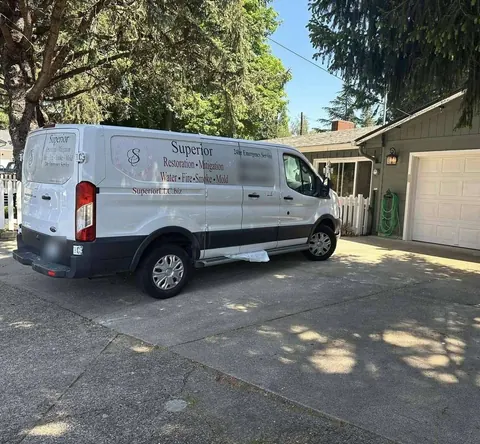
THE FULL STEP-BY-STEP GUIDE
What to do after a kitchen fire, in order.
Confirm the fire is out.
For a pan fire, NFPA says to slide a lid over the pan, turn off the burner and leave the pan covered until it is completely cooled. Never throw water on a grease fire. For an oven fire, turn off the heat and keep the door closed. If the fire does not go out, get everyone out, close the door behind you and call 911 from outside.
Follow the fire department’s instructions.
If firefighters responded, do not go back into the kitchen until they say it is safe. Ready.gov says not to reconnect utilities yourself. The fire department should make sure utilities are safe to use or are disconnected before it leaves.
Leave the stove, hood and heating system off.
Do not use the appliance that burned or the range hood above it. Keep the furnace and the heating and cooling fan off until the system has been checked, so residue is not carried through the ducts. If a breaker tripped, leave it off and call an electrician.
Air out the room if the weather is dry.
The Red Cross suggests opening windows and doors to ventilate and dry the home if the weather is dry. Airing lowers the smell. It does not remove the residue that causes it.
Photograph everything, then call your insurer.
Photograph the stove, hood, cabinets, counters, ceiling, floor and any powder or spray before it is disturbed. Include the next rooms. Ask your insurer what it needs and what should wait. Do not throw out damaged items until they have been listed.
Sort the food and arrange an assessment.
Set aside food, medicine and anything that was open to the smoke. Do not taste food to test it. Then call Superior to look at the residue, the odor and any wet materials. Drying readings do not establish that soot or extinguisher residue has been removed. Each is checked separately.
IDENTIFY BEFORE YOU WIPE
What a kitchen fire leaves behind.
What burned and how the fire was put out decide how the kitchen is cleaned. Describe what you see. Do not rub it to find out.
| What is left behind | What you may notice | What to do |
|---|---|---|
| Grease and oil smoke residue | A dark, sticky film on the hood, the cabinets above the stove and the ceiling. It smears when touched. | Do not dry wipe or scrub it. Photograph it and have the cleaning method matched to the surface. |
| Burnt food residue | A strong, sharp odor with little black soot. A thin yellowish or clear film on cabinets, walls and inside closed cupboards. | Check inside every cabinet and in the next rooms. Report the odor even where surfaces look clean. |
| Extinguisher powder or spray | Fine pale powder or dried spray on the stove, counters, floor and food, often carried well past the fire. | Photograph it first. Throw out food it reached. Cookware and sealed cans can be washed and sanitized as USDA describes. Tell us which extinguisher was used. |
| Water used on the fire | Wet flooring, a wet cabinet base or water behind the stove. The surface may already feel dry. | Blot standing water you can reach safely. Report it so the cabinet base, wall and subfloor can be checked with moisture meters. |
POWER · GAS · APPLIANCES · AIR
What stays off until it has been checked.
A fire that stayed on the stove can still damage wiring, gas connections and the appliances beside it. Leave these decisions to the fire department and qualified technicians.
Electricity: do not reset or reconnect.
If firefighters shut off the power, do not turn it back on yourself. The Red Cross says a tripped breaker may indicate damaged wiring: do not turn it on, call an electrician. If you see sparks or frayed wires, or smell hot insulation, turn off the electricity at the main breaker only if you can reach it from a dry place.
Gas: leave and call if you smell it.
If you smell gas or hear hissing, leave the home immediately, get well away and then call the fire department. Do not turn a disconnected gas supply back on yourself. Have a gas range checked before it is used again.
Appliances: unplug them and have them checked.
The Red Cross says to disconnect all appliances and check them for water damage before using them. Do not plug in the stove, microwave, refrigerator or small appliances that were exposed to heat, smoke, powder or water until they have been checked.
Air: keep the fans off.
Leave the range hood, the furnace and the heating and cooling fan off until they have been checked. Tell the technician whether the system was running during the fire, if you know.
AFTER THE HOME IS CLEARED
What you can safely do, and where to stop.
Do these only after the kitchen is cleared for entry, the damage has been photographed and your insurer has told you what to keep. They suit a small fire with light residue on hard, washable surfaces. In an older home, do not sand, scrape or remove damaged materials until asbestos and lead paint have been considered.
Protect yourself first.
Wear rubber gloves, work clothes and sturdy shoes, as the Red Cross advises for fire cleanup. Keep children and pets out of the kitchen until it is finished.
Discard exposed food and medicine.
The Red Cross says to throw away food, beverages and medicine exposed to heat, smoke or soot. That includes open containers, produce and food in cardboard, plastic wrap or screw-top jars. List and photograph what you discard first.
Wash cookware and sealed cans the USDA way.
USDA says canned goods and cookware exposed to firefighting chemicals can be decontaminated: wash in a strong detergent solution, then dip in a solution of 1 tablespoon of unscented liquid chlorine bleach per gallon of water. The USDA page gives the soak time. Cans that were close to the heat may no longer be safe. Discard them.
Test, then wash light residue.
On a painted wall or other hard washable surface, test a small hidden area with mild soap or detergent and water. If it cleans without smearing, the Red Cross method is to wash one small area at a time from the floor up, rinse with clear water right away and wash ceilings last. If it smears or spreads, stop.
Never mix cleaning products.
Use one product at a time. The Red Cross warns that ordinary household products can cause toxic fumes if they mix. Do not paint over stains or odor. The Red Cross says not to repaint until walls and ceilings are completely dry.
WHERE THE DAMAGE CAN SPREAD
A small fire travels further than the burn mark.
Smoke from burning food and grease rises, spreads across the ceiling and settles in places you do not look at every day.
Cabinets, inside and out
Residue settles on cabinet doors, on the tops of wall cabinets and on the shelves behind closed doors. Heat can also damage the finish on the cabinets beside and above the stove. Open each cabinet and look, but do not wipe yet.
The hood, its filter and the duct
The range hood draws smoke and grease into its filter and duct. Have the hood and duct checked before they are used again. Tell us if flames reached the hood or the cabinet above it.
Rooms beyond the kitchen
Smoke follows open doorways, stairs and return air vents. Check the ceilings and the tops of door frames in nearby rooms, and smell the closets and soft furniture. Report odor in rooms with no visible residue.
Where water or extinguisher spray went
If water was used on the fire, it may have run behind the stove, under the flooring or into the cabinet base. Superior uses moisture meters to help determine how far the water traveled and which materials are affected. Touch and appearance are not reliable. Possible water entry into a wall, floor or ceiling assembly warrants assessment without a visible stain.
HOW SUPERIOR HELPS
Know what can be cleaned before anything is scrubbed.
Tell Superior what burned, how the fire was put out and which rooms smell of smoke. Call after the fire department has cleared the kitchen, or after a fire you put out yourself is fully out and cool.
Assess the kitchen and the rooms around it
Look at the stove area, cabinets, ceiling and nearby rooms for heat damage, residue and odor. Where water was used, use moisture meters to help map the wet materials.
Explain the cleanup
Discuss which surfaces and contents can be cleaned, which materials may need removal and what needs a closer look. Ask about the proposed cleaning methods for your cabinets and finishes before work starts.
Document and coordinate
Help document the damage and coordinate with your insurance provider. Your insurer decides what your policy covers. Explain what an electrician, appliance technician or cabinet contractor still needs to do.
KEEP THE FACTS TOGETHER
Record the kitchen before it changes.
Cleaning removes the evidence of what happened. Make the record first, and ask your insurer what it needs. Your policy and your insurer decide what is covered.
- The date and time, what was cooking, how the fire was put out and whether the fire department came. Ask the department how to get its report.
- Wide photos and close-ups of the stove, hood, cabinets inside and out, counters, ceiling and floor, and of the nearby rooms.
- A list and photos of discarded food, medicine, cookware and small appliances, with model and serial numbers where you can read them.
- Receipts for everything you spend because of the fire, including meals while the kitchen cannot be used.
- The cleanup scope, the technician’s findings for the appliances and wiring, and moisture-meter findings and drying records if water was used.
CLEAN · DRY · CONFIRM
Before you cook in the kitchen again.
- The stove, oven, hood and any other exposed appliance have been checked by a qualified technician, including the gas connection on a gas range.
- An electrician has checked any tripped breaker, scorched outlet or wiring near the fire.
- Residue has been cleaned from the cabinets, inside and on top, and from the hood, ceiling and walls, and the odor is gone with the windows closed.
- Exposed food and medicine have been replaced, and cookware and dishes have been washed.
- If water was used, ask for the moisture-meter findings for the cabinet base, wall and subfloor. Drying readings do not establish that soot or residue has been removed.
AFTER THE CLEANUP
Prevent the next kitchen fire.
- Stay in the kitchen while you fry, grill, boil or broil. If you leave, even briefly, turn off the stove.
- Keep oven mitts, wooden utensils, food packaging, towels and curtains away from the stovetop.
- Cook with a lid beside the pan. For a small grease fire, slide the lid on, turn off the burner and leave it covered until cool. Never use water.
- If you see wisps of smoke or the oil smells, turn off the burner. NFPA calls smoke a danger sign that the oil is too hot.
- Keep working smoke alarms on every level of the home, and never disable an alarm while cooking.
QUESTIONS BEFORE YOU CALL
A few things you may be wondering.
Can I clean up a small kitchen fire myself?
Sometimes. Light residue on hard, washable surfaces from a small fire can often be washed, once the damage is photographed and your insurer has said what to keep. Test a small hidden spot first. If the residue smears, feels greasy or covers more than the area around the stove, stop and have it assessed.
Is the food in my kitchen safe?
USDA says saving food that has been in a fire is generally not a good idea. Throw out food exposed to heat, smoke fumes or firefighting chemicals, including food in cardboard, plastic wrap and screw-top jars. Fumes can also get inside a refrigerator or freezer, because the door seal is not airtight.
Can I use the stove or oven again?
Not until it has been checked. The Red Cross says to disconnect and check appliances before using them. Have a qualified appliance technician look at the stove, oven and hood, and have a gas range checked before its gas is used. Do not turn a tripped breaker back on yourself.
Why does the kitchen still smell after I cleaned?
Odor means residue remains somewhere: often on cabinet tops, inside the hood, on the ceiling or in soft materials in the next room. Air fresheners hide it for a while. The odor goes when the residue is removed.
Will insurance pay for the cleanup?
Your policy and your insurer decide that. Report the fire, ask what they need and keep damaged items until they have been documented. Superior can help document the damage and coordinate with your insurance provider.
Sources and further detail
General safety and equipment references checked November 18, 2026. Follow the directions of your fire department, your utility companies and your insurer when they differ.
- NFPA: cooking safety and what to do if you have a cooking fire ↗
- Ready.gov: home fires, including after a fire and prevention ↗
- Red Cross: checking your home after a fire ↗
- Red Cross: cleaning up after a fire ↗
- USDA Food Safety and Inspection Service: fires and food safety ↗
- EPA: protecting your family from asbestos in damaged materials ↗
- EPA: lead-based paint and lead dust in homes built before 1978 ↗
- EPA: using moisture meters to locate wet materials and monitor drying ↗